Why Women Should Lift Heavy (And the Bulky Myth That's Costing You Strength)
You won't get bulky. You'll get strong, lean, and resilient for life. Here's the truth about women and strength training — and where to start
Gizella Nagyne Palinkas
5/18/20267 min read
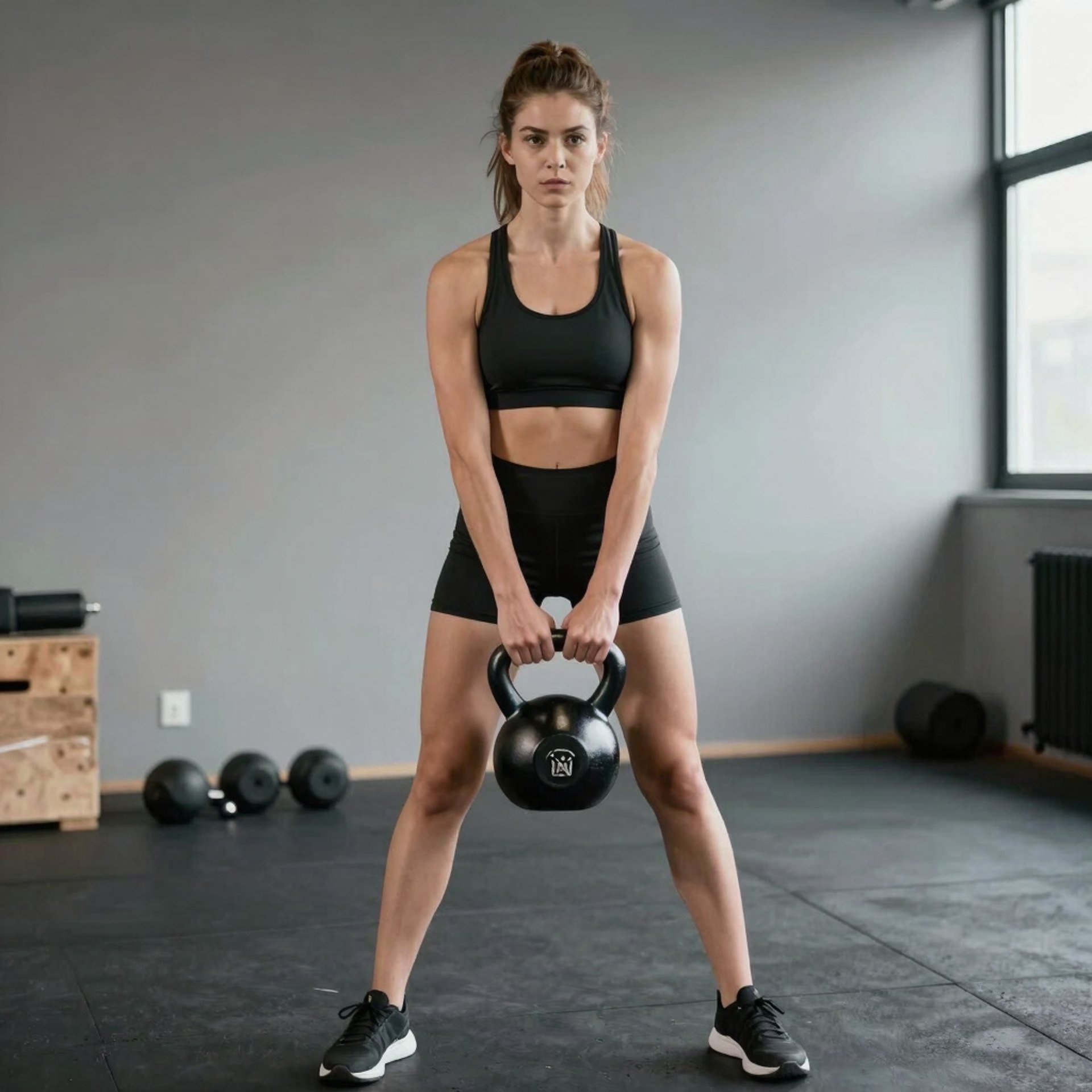
I spent five years in the gym picking up the lightest dumbbells I could find because I was terrified of getting "bulky." I did endless cardio. I did light, high-rep resistance training. I stayed small — and I stayed frustrated. When I finally picked up a barbell and started lifting heavy, everything changed. My body looked better, felt stronger, and I became genuinely more confident in my own skin. The bulky myth had cost me years.
If you've been avoiding heavy weights because you're afraid of looking like a bodybuilder, I want to address that fear head-on — with actual science, not just reassurance. Because once you understand why the bulky outcome is physiologically almost impossible for most women without extreme, deliberate effort, you'll never look at a heavy barbell the same way again.
And beyond the myth-busting, I want to share the seven benefits of heavy lifting that I personally experience every single week — benefits that have nothing to do with aesthetics and everything to do with how you feel, how you age, and how you live your life.
The Testosterone Truth: Why Women Can't "Accidentally" Get Bulky
Here's the biological reality: testosterone is the primary anabolic (muscle-building) hormone. Men produce roughly 300–1,000 ng/dL of testosterone. Women produce roughly 15–70 ng/dL. That's a difference of 15 to 20 times. And testosterone isn't the only factor — men also have more androgen receptors, more satellite cells in muscle tissue, and respond to anabolic signals differently than women at a cellular level.
The professional female bodybuilders you may be imagining when you think of "bulk" have spent years — sometimes decades — in highly structured training programs, eating enormous calorie surpluses, and in many cases using pharmacological support. They worked extraordinarily hard to look that way. It does not happen by accident, and it does not happen from lifting heavy three times a week.
What does happen when women lift heavy? The muscle they build is denser, more compact, and creates the "toned" look that women actually want. Muscle takes up less space per pound than fat. A woman who lifts heavy and loses fat while building muscle often wears a smaller clothing size even if the scale hasn't moved — or has even gone up slightly.
7 Benefits of Heavy Lifting That Every Woman Needs to Know
The aesthetics argument is compelling enough, but the real case for heavy lifting goes much deeper. Here's what consistent strength training actually does for a woman's body and mind:
Bone Density — Your Future Self Will Thank You
Osteoporosis affects women at dramatically higher rates than men, particularly after menopause when estrogen levels drop. Resistance training is one of the most effective non-pharmacological interventions for maintaining and even building bone density. The mechanical stress of lifting heavy loads stimulates osteoblast activity — the cells that build new bone. This isn't a minor effect; studies show 1–3% annual improvements in bone mineral density with consistent resistance training.
Metabolic Rate — Burn More Calories at Rest
Muscle is metabolically expensive tissue. For every pound of muscle you add, your resting metabolic rate increases by approximately 6–10 calories per day. That may sound modest, but 10 pounds of muscle (achievable over 2–3 years of consistent training) means burning 60–100 extra calories daily without any additional effort. Compound that over months and years, and the metabolic advantage is substantial.
Hormonal Health and Balance
Heavy resistance training improves insulin sensitivity, which is protective against type 2 diabetes and PCOS. It also supports healthy cortisol regulation — resistance training sessions temporarily raise cortisol (normal), but regular training improves your body's overall cortisol response. Many women report improvements in PMS symptoms, mood stability, and energy levels after establishing a consistent strength training practice
Confidence and Mental Health
This one is harder to quantify but it's the benefit I hear about most from the women I work with. There's something profoundly empowering about picking up something heavy that you couldn't lift three months ago. It changes your relationship with your body — from something to be managed aesthetically to something powerful and capable. Studies consistently show strength training reduces symptoms of anxiety and depression, and the confidence transfer into daily life is real and measurable.
Healthy Aging — The Anti-Aging Tool No One Talks About
Sarcopenia — age-related muscle loss — begins as early as your 30s and accelerates after 50. Women who don't strength train can lose 3–5% of their muscle mass per decade. This loss drives weakness, balance problems, metabolic decline, and loss of independence in later life. Resistance training is the most powerful tool we have to slow sarcopenia. Starting in your 30s or 40s is not too late — it's exactly the right time
Fat Loss Efficiency
Cardio burns calories during exercise. Strength training burns calories during exercise AND continues burning them for up to 24–48 hours afterward through the "afterburn effect" (excess post-exercise oxygen consumption, or EPOC). Heavy compound movements — squats, deadlifts, rows — recruit large amounts of muscle mass and create a significant EPOC response, making each session far more metabolically efficient than steady-state cardio.
Functional Strength for Real Life
Lifting heavy at the gym directly transfers to functional life strength — carrying groceries, lifting kids, moving furniture, climbing stairs with energy. As a mom, the physical demands of daily life are real. Strength training is the most direct preparation for those demands. I notice it every week: things that used to leave me sore or winded are now easy.
How to Start Lifting Heavy: A Practical Guide for Women
The most common question I get after convincing a woman that heavy lifting is safe is: "Okay, but how do I actually start?" Here's what I recommend, having guided dozens of women through this exact transition.
🏋️
Start With the Big 4
Squat, deadlift, bench press, and row. These compound movements recruit the most muscle mass and deliver the most benefit per workout minute. Learn these before anything else.
📈
Progressive Overload is the Key
Add a small amount of weight (2.5–5 lbs) or an extra rep each week. This principle — progressive overload — is what drives ongoing strength and body composition improvements.
🎯
Find Your "Heavy"
Heavy means reaching near-failure in 5–10 reps. You should feel genuine effort on the last 2–3 reps. If you could easily do 20 reps, the weight is too light to drive real change.
🗓️
2–3 Sessions Per Week
This is enough for meaningful progress. You don't need to live in the gym. Full-body sessions or an upper/lower split work well for most women starting out.
👩🏫
Invest in One Good Coaching Session
A single session with a qualified strength coach to learn squat and deadlift form is the best investment a beginner can make. Good form from day one prevents years of bad habits.
😴
Recovery Is Training Too
Muscle is built during rest, not during the workout. 7–9 hours of sleep and adequate protein (0.7–1g per pound of body weight) between sessions is where the magic happens.
The mindset shift that changed everything for me: Stop thinking of lifting as a way to change how you look, and start thinking of it as a way to change what you're capable of. When strength becomes the goal, the physical changes follow naturally — and you actually enjoy the process for the first time.
What "Heavy" Actually Means (And Why It's Different for Everyone)
One thing that trips up a lot of women when they first hear "lift heavy" is the assumption that heavy means the same thing for everyone. It doesn't. "Heavy" is entirely relative to your current capacity. For a beginner, 15-pound dumbbells might be genuinely challenging. For someone who's been lifting for two years, that might be a warm-up.
The technical definition I use is this: a weight is heavy enough when you reach muscular failure — or come within 2–3 reps of it — in the 5–12 rep range. If you're breezing through 15 or 20 reps with the same weight week after week and it feels comfortable, you've stopped providing the stimulus your muscles need to grow and strengthen. That's when most women plateau, and it's why the "light weights, high reps" approach produces limited results past the beginner stage.
I also want to address the fear of injury, which is real and valid. Heavy lifting done with poor form absolutely increases injury risk. But heavy lifting done with good technique and appropriate progression is no more dangerous than any other form of exercise. In fact, the improved joint stability and bone density from strength training is protective against injury in everyday life.
Frequently Asked Questions
Will lifting heavy weights make women look bulky?
No — and this is one of the most persistent myths in fitness. Women have 15–20 times less testosterone than men, which is the primary hormone driving significant muscle hypertrophy. The female bodybuilders you might be imagining trained for years with extreme intent, large caloric surpluses, and often pharmacological support. Lifting heavy 2–4 times per week will give you the lean, defined look most women actually want, not the bulk they fear.
What counts as "lifting heavy" for women?
Heavy is entirely personal and relative to your current strength level. A weight qualifies as heavy when you approach muscular failure — you can't perform another rep with good form — within the 5–12 rep range. If you can easily do 20+ reps, the weight is too light to provide adequate training stimulus. Start where you are and add weight progressively every 1–2 weeks.
How often should women lift weights?
For most women, 2–4 resistance training sessions per week is the sweet spot. Beginners see excellent results with 2–3 full-body sessions. More advanced trainees might use a 4-day upper/lower or push/pull split. The limiting factor is recovery — muscles grow during rest, not during training, so adequate sleep and protein between sessions matter as much as the training itself.
Does strength training help with menopause?
Significantly. Menopause brings declines in estrogen that accelerate bone density loss, muscle mass loss, metabolic slowdown, and mood changes. Resistance training directly counteracts all four of these: it maintains and builds bone density, preserves muscle (counteracting sarcopenia), boosts metabolic rate, and improves mood through endorphin release and confidence building. It's one of the most evidence-backed lifestyle interventions for menopausal health.
Can beginners lift heavy weights safely?
Yes — with the right approach. Beginners should spend 4–6 weeks learning movement patterns (squat, hinge, push, pull) with lighter loads to develop technique before going heavy. Working with a qualified strength coach for even a single session to learn proper squat and deadlift form is the best investment a new lifter can make. After establishing good form, progressive overload with heavy weights is both safe and highly effective.
What should women eat when lifting heavy?
Protein is the most critical dietary factor — aim for 0.7–1g per pound of body weight daily to support muscle repair and growth. Carbohydrates fuel training sessions and support recovery, so don't cut them out entirely. Total calorie intake should match your goal: a slight surplus (200–300 calories above maintenance) for muscle building, maintenance calories for body recomposition, or a modest deficit for fat loss while preserving muscle.
Copyright © 2026 Health & Fitness with Ella. All rights reserved.