
Coconut Water: Benefits, Myths, and How to Make the Most of It This Summer
Coconut water benefits, myths and electrolytes explained — when it genuinely beats plain water for summer hydration, and when it's just sugary marketing.
Gizella Nagyne Palinkas
6/17/20269 min read
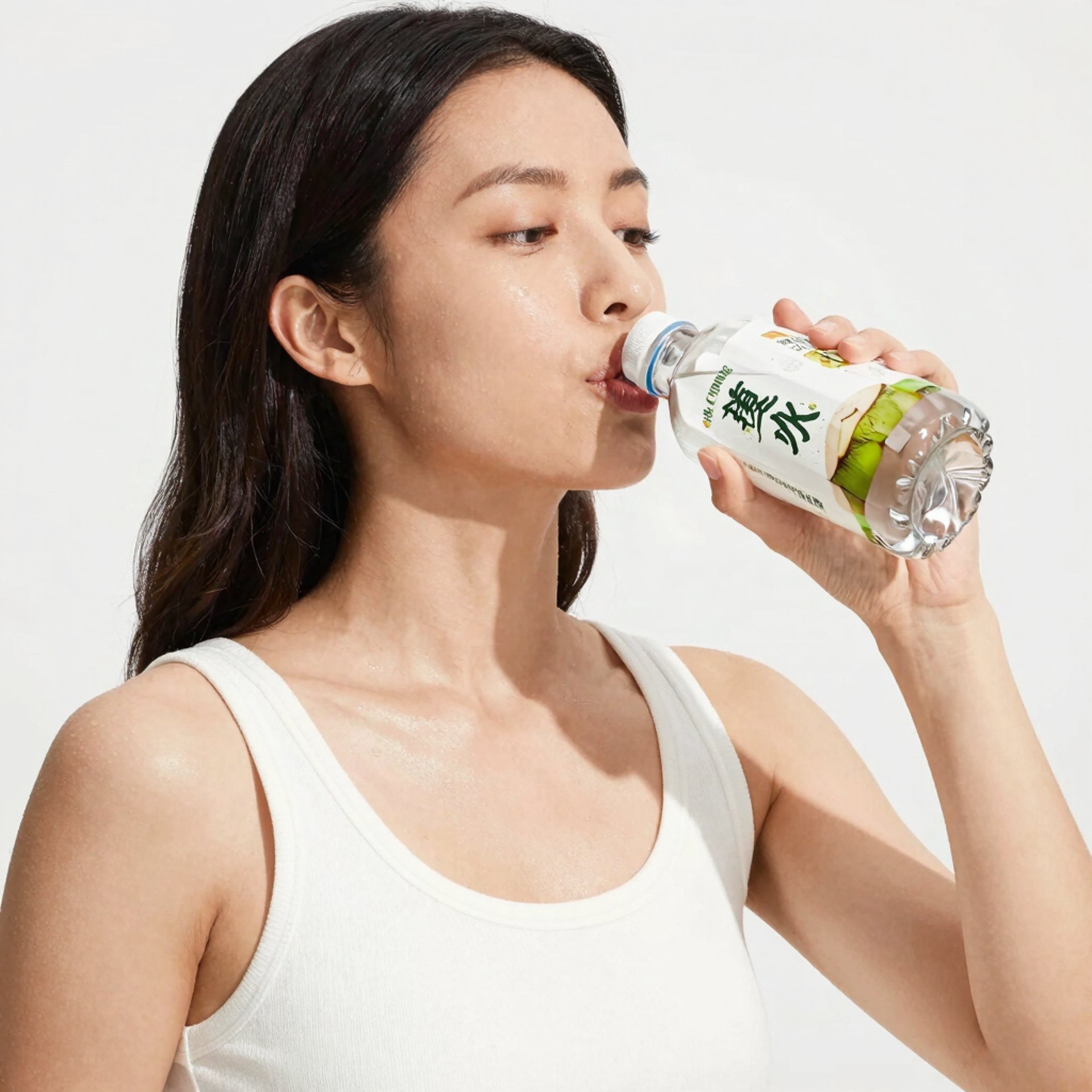
I still remember standing in the grocery store a few summers ago, staring at an entire refrigerator case packed with coconut water. Pink coconut water, coconut water with pineapple, coconut water in tiny little bottles that cost more than my morning coffee. I picked one up, turned it over, and thought: is this actually good for me, or is this just very well-marketed water?
So I did what I always do when I get curious about something in the wellness world — I went down a research rabbit hole. And honestly? What I found surprised me. Coconut water is neither the miracle hydration drink the marketing suggests nor the overpriced gimmick the skeptics say it is. The truth is more nuanced, more interesting, and actually pretty useful once you understand it. Let me share what I learned.
What Coconut Water Actually Is
First things first, because I genuinely had this confused for years: coconut water is not coconut milk. They come from the same fruit but they are completely different things. Coconut water is the clear, slightly sweet liquid found inside a young, green coconut — the liquid that splashes out when you crack one open fresh. It’s light, refreshing, and naturally low in calories.
Coconut milk, on the other hand, is made by blending mature coconut flesh with water. It’s rich, creamy, full of fat, and wonderful in curries and smoothies — but it’s a cooking ingredient, not a hydration drink. When we’re talking about coconut water as a beverage, we’re talking about that thin, clear liquid. Young coconuts (harvested at around five to seven months) produce the most coconut water; as the coconut matures, that liquid transforms into the solid white coconut flesh we’re more familiar with.
The bottled versions you find at the store are either sourced fresh, pasteurized, or in some cases reconstituted from concentrate. More on what to look for on the label a little later.
The Real Nutritional Profile
Here’s where things get genuinely interesting. Per 8-ounce serving, coconut water contains approximately:
Potassium: 600mg — roughly equivalent to a medium banana
Sodium: 45mg — modest but present
Magnesium: 15mg — about 4% of your daily needs
Natural sugars: 6g — not zero, but far less than juice or sports drinks
Calories: 45 — very low for a flavored beverage
Small amounts of calcium, phosphorus, and B vitamins
That potassium number is what makes coconut water genuinely stand out. Most of us do not get enough potassium — the daily recommended intake is 2,600-3,400mg, and the average American gets far less. Potassium plays a critical role in muscle contraction, heart rhythm, and blood pressure regulation. Getting 600mg from a single 8-ounce drink without any artificial additives is actually pretty remarkable.
But context matters. Look at how those numbers compare to your other hydration options.
600mg Potassium per 8oz serving
A single serving of coconut water contains as much potassium as a medium banana — and more than most sports drinks. For low-intensity exercise on hot summer days, it’s genuinely one of the best natural hydration options available.
What Coconut Water Genuinely Does
Let’s talk about what the research actually supports, because I think the honest story is good enough without exaggeration.
Hydration Support
Multiple studies have confirmed that coconut water rehydrates effectively after mild to moderate exercise. A 2002 study published in the Journal of Physiological Anthropology found that coconut water performed comparably to a carbohydrate-electrolyte sport drink for rehydration after exercise — and was better tolerated (fewer feelings of stomach fullness or nausea). For light to moderate workouts, your body does not care much whether the electrolytes came from a lab or a coconut.
Potassium and Blood Pressure
Higher potassium intake is consistently associated with lower blood pressure in population studies, and most of us are genuinely deficient in this mineral. Coconut water is one of the easier ways to bump your potassium intake without eating a pile of bananas or sweet potatoes at every meal. If you have blood pressure concerns, talk to your doctor — but incorporating potassium-rich foods and drinks is almost universally a good idea.
Morning Hydration Boost
This is actually one of my favorite uses. We all wake up mildly dehydrated after six to eight hours without fluids. A glass of coconut water in the morning hits differently than plain water — the natural sugars and electrolytes help your body absorb fluid more efficiently. It’s become a go-to for me on hot summer mornings before I’ve had a chance to eat breakfast.
Hangover Recovery
Alcohol is a diuretic, which means it causes you to lose both water and electrolytes. Coconut water replenishes both, making it a legitimate hangover recovery drink. It is not magic — nothing fully reverses a night of heavy drinking — but it is genuinely better than many alternatives because it replaces fluids and potassium without loading you up with artificial sweeteners or caffeine.
The Myths We Need to Bust
Okay, here is where I need to put on my honest-friend hat rather than my enthusiast hat. Coconut water has been marketed aggressively, and some of those claims do not hold up.
Myth: It’s better than water for hydration
For most everyday activities and light exercise, coconut water hydrates comparably to plain water — not better. Water is still the gold standard for general hydration. Coconut water adds electrolytes, which can help in specific situations, but it does not magically out-hydrate H2O.
Myth: It’s a weight loss drink
Coconut water has 45 calories and 6g of natural sugar per 8 ounces. It is not a diet drink. As a replacement for soda or juice, it is a smart swap. As something you add to an already healthy diet hoping it burns fat? That is not how it works.
Myth: It’s better than sports drinks for serious athletes
This is the big one. For intense exercise lasting over 60-90 minutes — think running a half marathon, a high-intensity boot camp, a hot afternoon bike ride — coconut water’s low sodium content (45mg vs. 160mg in a sports drink) becomes a real limitation. Sweat contains significant sodium, and heavy exercise depletes it fast. Coconut water does not replace that effectively. Serious endurance athletes genuinely need the higher-sodium formulas.
Myth: It’s a miracle cure for everything
I have seen coconut water marketed for everything from kidney stones to skin glow to immune support. The research does not support most of these claims in any meaningful way. It is a good, natural, minimally processed hydration drink. That is genuinely enough — we do not need to invent superpowers for it.
When Coconut Water IS the Better Choice
Now that we have cleared out the noise, here are the situations where coconut water genuinely earns its place in your routine.
After Light Exercise Under 60 Minutes
A morning yoga session, a 45-minute walk, a swim with the kids — for these, coconut water replenishes what you lost without overloading you with the sodium and artificial dyes of a traditional sports drink. It is the right tool for the right job.
Morning Hydration on Hot Days
Before you have eaten breakfast, coconut water’s natural sugars and electrolytes help your body absorb fluids more efficiently. On those July mornings when the humidity hits before 8am, it is a genuinely refreshing way to start hydrated.
When You Are Fighting a Hangover
As mentioned above — the electrolyte-plus-fluid combination is real and helpful for alcohol-induced dehydration. Much better than sugary juice or another coffee.
As a Low-Sugar Alternative to Juice or Soda
If your kids love sweet drinks, coconut water is one of the better swaps. Six grams of natural sugar versus 25+ in most fruit juices is a meaningful difference, and the electrolytes are actually useful for active little people too.
When to Stick to Plain Water or Sports Drinks Instead
Intense Exercise Over 60-90 Minutes
High-intensity workouts, long runs, hot outdoor classes — here, you need the higher sodium content of a proper sports drink or electrolyte tablet. Coconut water won’t cut it for serious sweat sessions.
If You Are Closely Watching Carbohydrates
Six grams of sugar per serving adds up if you are drinking multiple servings. For low-carb or diabetic-adjacent eating, plain water with a pinch of salt and a squeeze of lemon does most of the same work without the sugar.
Everyday General Hydration
Plain water should still be your primary drink throughout the day. Coconut water is a strategic upgrade, not a full replacement. Aim for your eight-plus glasses of water first, then use coconut water intentionally.
Practical Summer Uses — How We Actually Use It
Here is what I have found works in real-life mom life, where time is short and the kids are always underfoot.
🥤
Smoothie Base
Swap your smoothie liquid from regular water or milk to coconut water. It adds a subtle sweetness and an electrolyte boost without changing the flavor dramatically. Mango-banana smoothies are especially good this way.
🌞
Morning Kickstart
Keep a bottle in the fridge and reach for it first thing in the morning before coffee. Ten minutes of morning hydration with coconut water on hot days makes a noticeable difference in how you feel by mid-morning.
🧊
Frozen Popsicles
Pour coconut water into popsicle molds with chunks of mango or pineapple. Kids love them, and you can feel genuinely good about handing them over on a hot afternoon instead of a sugar-bomb store-bought pop.
🏃♀️
Post-Light Workout
After a yoga class, a swim, or a 30-minute walk in the heat, grab an 8oz serving instead of a sports drink. You get the electrolyte replenishment without the artificial colors and 14g of sugar.
🍹
Mocktail Mixer
Coconut water with lime juice, a little mint, and ice makes a genuinely refreshing summer mocktail. It feels special without being a sugar or calorie bomb — great for backyard barbecues when you want something other than plain water.
👧
Kid Hydration Helper
If you have a picky drinker who resists plain water, coconut water is one of the better compromises. The natural mild sweetness appeals to kids, and you are getting electrolytes into them on hot days when you need them to stay hydrated.
What to Look for When Buying
Not all coconut water is created equal, and the labeling can be genuinely confusing. Here is a quick cheat sheet for your next grocery run.
"100% Coconut Water" on the Label
This sounds obvious, but look for it explicitly. Many products are labeled "coconut water beverage" or "coconut water drink" — these often have added sugars, flavorings, or significantly less actual coconut water than you think. You want 100% coconut water as the only ingredient.
No Added Sugar in the Ingredients List
Flip the bottle over. The ingredients should say: coconut water. That is it. If you see sugar, cane sugar, fruit juice concentrate, or any form of sweetener, put it back. The natural 6g per serving is plenty — you do not need more.
Not From Concentrate When Possible
Fresh-pressed or cold-pressed coconut water tastes significantly better and is less processed than concentrate-based versions. Brands like Harmless Harvest (pink, unpasteurized) or Vita Coco Pure offer good options. Your local store’s 100% variety is also perfectly fine — just read the label carefully.
Watch the Serving Size Math
Many bottles contain more than one serving — a 16oz bottle is two servings, meaning 12g of sugar and 90 calories if you drink the whole thing. That is still better than most juice or soda, but worth being aware of if you are counting.
The bottom line on buying: simple is better. The shorter the ingredient list, the closer you are to what actually grew inside a coconut. If the ingredient list has more than three items, look for something else.
Frequently Asked Questions
Is coconut water better than water for hydration?
For most people doing light to moderate activity, coconut water is comparable to plain water — with the bonus of natural electrolytes, especially potassium. But it is not more hydrating than water by volume. Think of it as water with benefits, not a water replacement. For general day-to-day hydration, plain water is still the foundation; coconut water is a useful strategic addition in specific situations.
Can I drink coconut water every day?
Yes, in reasonable amounts — 1 to 2 servings (8 to 16oz) per day is fine for most healthy people. It does contain natural sugars (6g per 8oz), so if you are monitoring carbohydrate intake, factor that in. Always choose 100% coconut water with no added sugar, and remember that it should complement your water intake rather than replace it entirely.
Is coconut water good for weight loss?
It is not a weight loss drink — it has real calories and natural sugar. But as a replacement for higher-calorie drinks (juice, soda, sports drinks), it is a smarter choice. Its modest calorie content and natural sugars make it far better than most flavored beverages. If your goal is reducing empty calories, swapping a daily juice or soda for coconut water can contribute to a calorie deficit over time, but the coconut water itself is not doing any fat-burning magic.
Why do athletes sometimes say coconut water isn’t good enough?
For intense exercise lasting over 60 to 90 minutes or in extreme heat, coconut water’s low sodium content (45mg vs. 160mg in sports drinks) means it does not replace sweat losses effectively. Serious athletes and endurance exercisers need higher sodium rehydration to maintain performance and avoid hyponatremia (dangerously low blood sodium). For most moms doing everyday exercise — walks, yoga, light gym sessions — coconut water is genuinely plenty.
What’s the difference between coconut water and coconut milk?
Completely different products. Coconut water is the clear liquid inside young green coconuts — light, low-calorie (45 calories per 8oz), slightly sweet, and naturally full of potassium. Coconut milk is made by blending mature coconut flesh with water — rich, creamy, high in saturated fat, and much higher in calories. Coconut water is the hydration drink; coconut milk is the cooking and baking ingredient. They are not interchangeable.
What should I look for on a coconut water label?
Three things: (1) “100% coconut water” — not a “coconut water beverage,” (2) no added sugar in the ingredients list — the only ingredient should be coconut water, and (3) not from concentrate when possible — fresh or cold-pressed is better tasting and less processed. Good brands to start with include Harmless Harvest, Vita Coco Pure, or any 100% variety from your local store’s natural section. Just flip it over and read the label before you buy.
Copyright © 2026 Health & Fitness with Ella. All rights reserved.